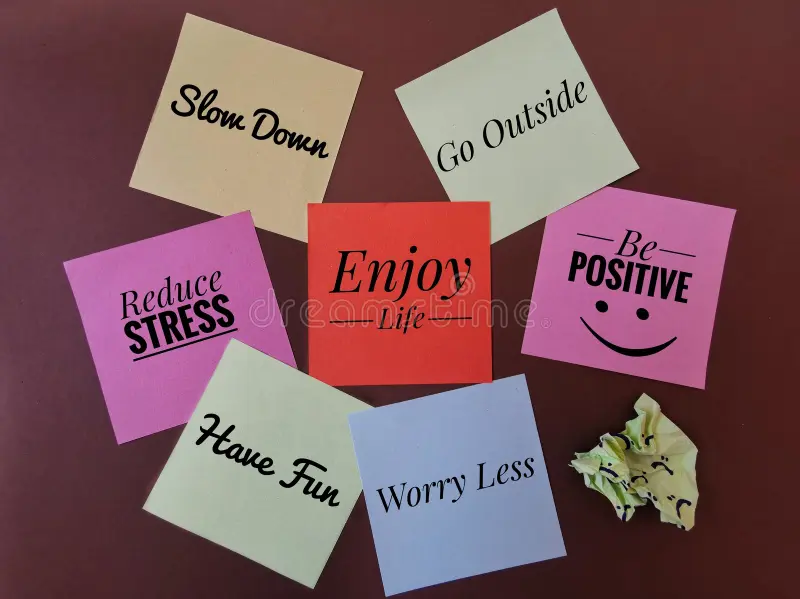
Positive psychology is a growing field that focuses on strengths, virtues, and factors that contribute to a fulfilling life. Unlike traditional psychology, which often deals with mental illness and dysfunction, positive psychology emphasizes well-being, happiness, and human potential. This article explores the principles of positive psychology, its benefits, and practical ways to incorporate it into daily life.
The Foundations of Positive Psychology
Positive psychology was pioneered by Martin Seligman in the late 1990s. His goal was to shift the focus of psychology from simply treating mental illness to helping people succeed. The field is grounded in scientific research and explores aspects such as strength, gratitude, and confidence. By understanding these principles, individuals can cultivate a positive mindset and lead more satisfying lives.
One of the core frameworks in positive psychology is the PERMA model, which consists of five key elements:
- Positive Emotions: Raise joy, gratitude, and satisfaction.
- Engagement: Finding activities that move a state of flow.
- Relationships: Building strong, supportive social connections.
- Meaning: Follow purpose-driven goals.
- Accomplishment: Setting and achieving personal occasion.
Additionally, positive psychology surveys concepts such as character strengths, which help individuals recognize their unique qualities and use them effectively. The VIA Classification of Strengths identifies 24 strengths categorized under six goodness: wisdom, courage, humanity, justice, temperance, and transcendence. Recognizing and utilizing these strengths can help individuals lead more fulfilling lives.
The Benefits of Positive Psychology
Engaging in positive psychology practices has many benefits, including:
- Enhanced Mental Well-Being: Focusing on strengths and positive experiences reduces stress and anxiety.
- Increased Strength: Individuals become better prepared to handle life’s challenges.
- Improved Physical Health: Optimism has been linked to lower blood pressure and a stronger immune system.
- Greater Life Satisfaction: People who practice gratitude and mindfulness tend to report higher happiness levels.
- Stronger Relationships: Positive psychology advances empathy, kindness, and deeper social bonds.
- Increased Productivity: Studies suggest that individuals with a positive outlook are more motivated and productive in their professional lives.
Practical Ways to Apply Positive Psychology
1. Practicing Gratitude
Keeping a gratitude journal, where you write down things you are thankful for, can shift your focus from negativity to understand. Studies show that gratitude increases happiness and well-being over time.
2. Engaging in Mindfulness
Mindfulness requires being fully present in the moment and accepting thoughts without judgment. Meditation and deep breathing exercises are effective ways to practice mindfulness and reduce stress. Practicing mindfulness regularly can guide to improved concentration and emotional regulation.
3. Fostering Positive Relationships
Surrounding yourself with supportive and boost individuals can importantly increase well-being. Acts of kindness, active listening, and expressing respect strengthen social connections. Research suggests that strong social ties give longevity and overall life satisfaction.
4. Setting Meaningful Goals
Following goals placed with personal values gives life a sense of purpose. Break large goals into smaller, achievable steps to maintain motivation and momentum. Studies show that goal-setting boosts self-esteem and encourages determination.
5. Accept Optimism
A positive view helps in overcoming difficulties and finding opportunities in challenges. Cognitive reframing viewing issues as learning experiences can improve strength and motivation. Individuals who practice optimism tend to have better problem-solving skills and greater success in their efforts.
The Role of Positive Psychology in Professional Settings
Positive psychology is not only beneficial for personal development but also for workplaces. Companies that joined positive psychology principles see higher employee engagement, productivity, and job satisfaction. Leaders who focus on strengths-based management and help a positive work culture contribute to an overall happier and more motivated workforce.
Moreover, positive psychology is increasingly being applied in education, where schools incorporate well-being programs to support student mental health and power. Teachers who use positive boosting and create a supportive learning environment can increase students’ confidence and academic performance.
Read more: Sweat-Resistant Bolo Ties: Stylish & Functional Accessories
Conclusion
Positive Psychology gives important awareness into getting greater happiness, power, and fulfilment. By incorporating gratitude, mindfulness, confidence, and meaningful relationships into daily life, individuals can practice intelligent benefits. If you are interested in learning more, visiting positive psychology com can offer additional resources and guidance on this transformative approach to well-being.
Understanding and acting on positive psychology principles can lead to significant personal and professional growth. Whether in education, the workplace, or daily interactions, advancing a positive mindset contributes to a more fulfilling and meaningful life.