Table of Contents
Implementing access controls in shared residential buildings is essential for ensuring the safety and privacy of residents. By preventing unauthorised entry and managing access effectively, building managers can foster a secure environment while maintaining convenience for tenants. Here’s a step-by-step guide to implementing robust access controls in shared residential spaces.
Assessing Security Needs
The first step in implementing access controls is to conduct a thorough security assessment. This involves identifying potential vulnerabilities, such as poorly lit entryways, multiple points of entry, or outdated lock systems. Engage a professional security consultant to evaluate the building’s layout, current security measures, and resident requirements.
Setting Clear Objectives
Define the goals of the access control system. Objectives might include:
- Restricting access to authorised individuals.
- Tracking and logging entry and exit activities.
- Enhancing convenience for residents.
- Complying with local safety regulations and data privacy laws.
These goals will guide the choice of technology and procedures used.
Choosing the Right Access Control System
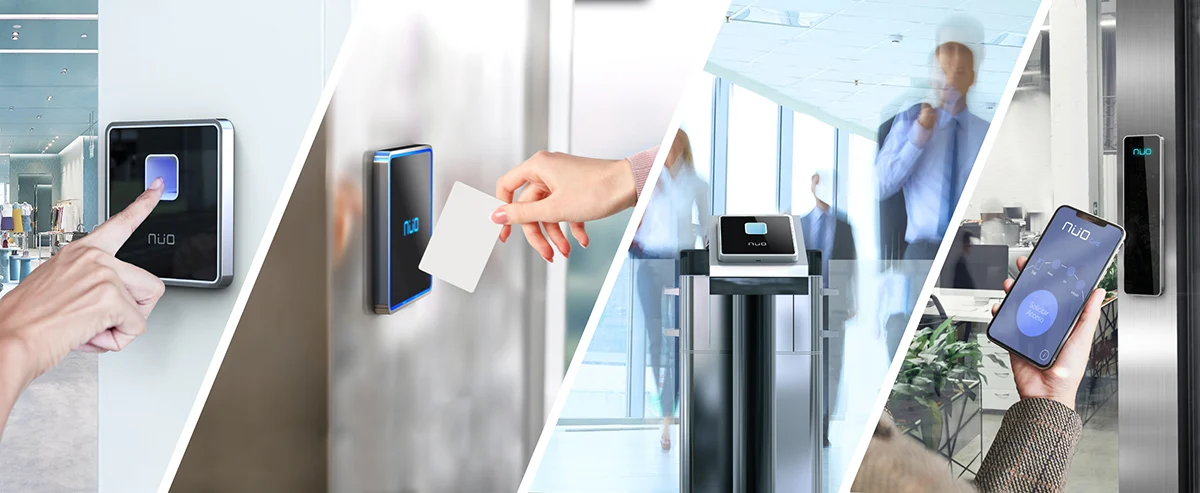
Access control systems range from simple mechanical locks to advanced biometric solutions. Selecting the appropriate system depends on factors like budget, building size, and resident needs. Common types of access control include:
- Key Fob and Card Systems: These are available to buy from doorcontrolsdirect.co.uk and are widely used in shared buildings, offering a secure and convenient way for residents to access specific areas. Lost fobs or cards can be deactivated immediately.
- PIN-Based Entry: Keypads at entrances allow residents to enter a code to gain access. While convenient, PIN codes must be updated regularly to prevent unauthorised access.
- Biometric Systems: Fingerprint or facial recognition systems provide a high level of security by ensuring only registered individuals can enter.
- Mobile Access: Smartphone-based systems use apps or Bluetooth technology to allow access, offering a seamless and modern solution.
- Intercom Systems: These systems let residents screen visitors before granting them entry. Video intercoms provide an additional layer of security by enabling visual identification.
Implementing Physical Barriers
Physical barriers like gates, turnstiles, or reinforced doors complement electronic access control systems. Ensure all entry points, including fire exits and garages, are secure without compromising emergency egress requirements.
Integrating Access Control with Building Management Systems
Modern access control systems can be integrated with other building management technologies, such as CCTV, fire alarms, and intrusion detection systems. This integration provides a holistic approach to security, enabling centralised monitoring and management.
Establishing Policies and Procedures
Develop clear policies for managing access. This includes:
- Assigning access rights based on resident needs and roles (e.g., tenants, staff, or contractors).
- Setting procedures for issuing, deactivating, or replacing access credentials.
- Defining visitor management protocols, such as pre-registration or temporary access codes.
Educating Residents
It is crucial to educate residents about access control and their role in maintaining security. Conduct workshops or distribute guidelines covering topics such as:
- Reporting lost or stolen access credentials.
- Avoiding sharing PINs or access codes.
- Recognising and reporting suspicious activity.
Ensuring Regular Maintenance and Updates
Access control systems require ongoing maintenance to remain effective. Schedule regular inspections to check for issues like malfunctioning equipment or outdated software. Update the system as needed to address emerging security threats or changing resident needs.
Read more: Home Security Companies Near me Servleader
Balancing Security and Privacy
While access control enhances security, respecting residents’ privacy is important. Use systems that comply with data protection laws, such as the UK’s GDPR. Ensure that data collection is minimal, secure, and transparent.
Handling Emergencies
Plan for scenarios such as power outages or system failures. Backup power sources, manual override options, and clear emergency procedures are essential for ensuring access control systems do not hinder safety during critical situations.
Monitoring and Reviewing Effectiveness
Periodically evaluate the performance of the access control system. Gather feedback from residents and staff, review incident reports, and stay informed about advancements in security technology. Use these insights to make informed updates to the system.