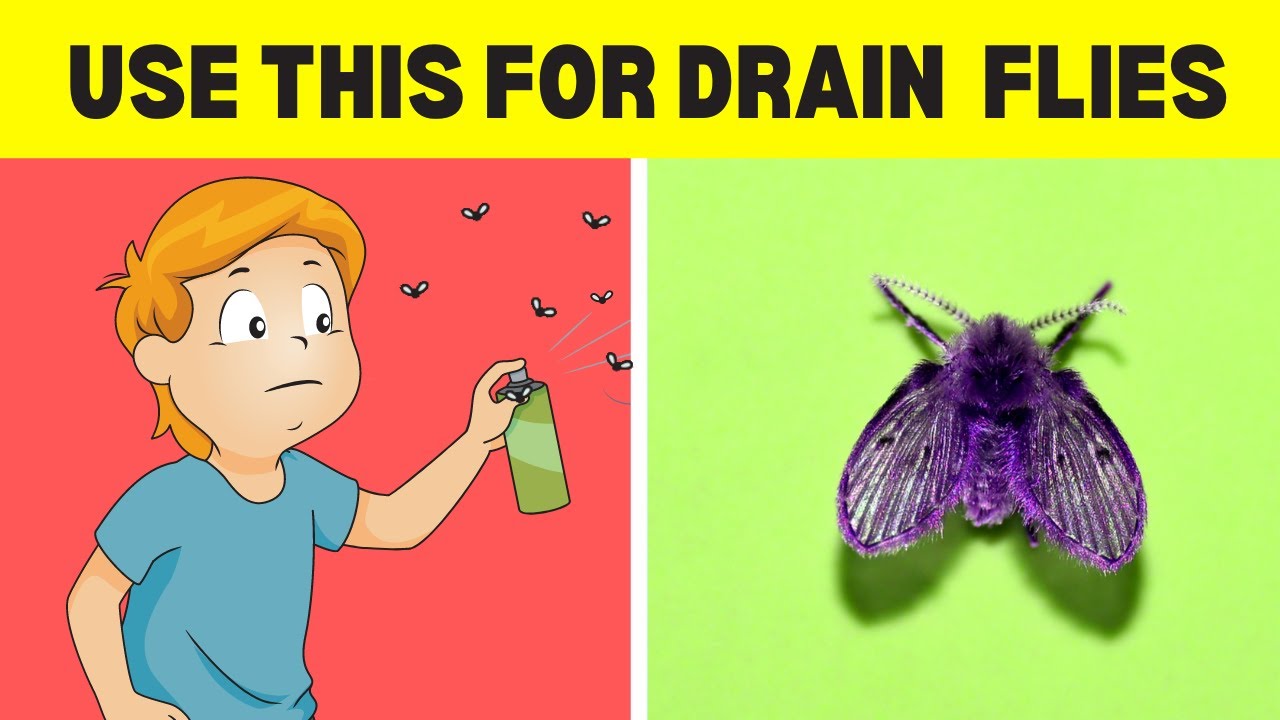
If you’ve noticed small, annoying flies buzzing around your kitchen sink or bathroom drain, you’re likely dealing with drain flies. These pests thrive in damp, organic environments, but the good news is they can be controlled easily. In this guide, we’ll walk you through how to get rid of drain flies and prevent them from returning.
How to Identify Drain Flies
Before taking any action, it’s important to confirm that you’re actually dealing with drain flies. These pests are different from other types of flies like fruit flies or houseflies, and knowing the difference can help you solve the problem effectively.
- Appearance: Drain flies are small and typically range from 1/8 to 1/4 inch (3-6 mm) long. They have moth-like wings with a distinctive fuzzy texture, which gives them a unique look. The color usually ranges from gray to dark brown.
- Behavior: Drain flies aren’t great at flying. Unlike other flies, they tend to hop around or fly only short distances, often staying near the area where they’ve laid eggs.
- Where to Find Them: You’ll mostly find drain flies around drains, sinks, and other areas where there is stagnant water. They are drawn to the organic matter that collects in drains, sewage pipes, and places with moisture, making your kitchen and bathroom prime breeding grounds.
Why You Have Drain Flies in Your Home
To get rid of drain flies, it’s helpful to understand why they’re in your home in the first place. These pests are attracted to organic debris that gathers in places with standing water. They breed in the sludge found in your drains, and they feed on the organic materials, bacteria, and fungi there.
Here are a few reasons why drain flies might have found their way into your home:
- Clogged Drains: If your drains are slow or clogged, they become perfect spots for drain flies to breed. The buildup of food scraps, soap, and other organic material creates a suitable habitat for these flies.
- Leaky Pipes: If you have plumbing issues, like a leak in your pipes, moisture can accumulate around the pipes and attract drain flies.
- Stagnant Water: Any area with standing water, such as a puddle in your bathroom or a neglected potted plant, can attract these flies. Drain flies need moisture to survive, and stagnant water gives them a perfect environment to thrive.
Effective Ways to Get Rid of Drain Flies
Now that you’ve identified the issue, it’s time to tackle the problem. Here are several practical ways to eliminate drain flies and keep them from coming back:
1. Use Boiling Water to Clean Your Drains
One of the quickest and most effective ways to get rid of drain flies is to flush your drains with boiling water. This helps break down organic matter that has accumulated inside your pipes, removing both the flies and their larvae.
To use this method:
- Boil a pot of water.
- Carefully pour the boiling water down the suspect drain.
- Repeat this process once a day for several days to help clear out the flies.
This method is simple, and it works to eliminate the flies and reduce the buildup of organic material in your pipes.
2. Clean Drains with Baking Soda and Vinegar
If the boiling water method doesn’t completely clear up the issue, you can try using a baking soda and vinegar solution. This natural remedy helps break down the biofilm inside your pipes and eliminates the food source for drain flies.
Here’s how you can do it:
- Pour 1/2 cup of baking soda down the drain.
- Add 1/2 cup of vinegar and let the mixture fizz for a few minutes.
- Plug the drain and let it sit for 10 minutes.
- After the fizzing stops, flush the drain with boiling water to clear away any residue.
This solution is both effective and eco-friendly!
3. Set Up Apple Cider Vinegar Traps
If you’re still seeing adult flies, you can make a trap using apple cider vinegar. Drain flies are attracted to the scent of vinegar, and when combined with dish soap, it traps them in the liquid.
Here’s how to set up the trap:
- Fill a shallow bowl with apple cider vinegar.
- Add a few drops of dish soap to the vinegar to break the surface tension.
- Place the dish near the drain or where you’ve noticed the flies.
The flies will be drawn to the vinegar, but the soap will prevent them from escaping.
4. Try a Microbial Drain Cleaner
For more stubborn infestations, microbial drain cleaners are a great option. These cleaners contain enzymes or bacteria that break down the organic material in your pipes, helping to eliminate the food source for the flies while killing any larvae.
Use the product according to the manufacturer’s instructions, and give it time to work before flushing it out with water.
Read more: 4 Best Benefits of Hiring Professional Cleaners
Preventing Drain Fly Infestations
After getting rid of the drain flies, it’s important to take steps to prevent them from coming back. Regular maintenance and small changes around your home can help keep these pests at bay.
- Fix Leaky Pipes: Leaks in your plumbing can create the perfect environment for drain flies. Make sure to repair any leaky pipes and seal up gaps where moisture can collect.
- Regular Drain Cleaning: Clean your drains regularly to prevent organic material from building up. Use natural cleaners like vinegar and baking soda or enzymatic drain cleaners to maintain clean pipes.
- Keep the Area Dry: Ensure that your kitchen and bathroom are free from standing water. Wipe up any spills and check for areas where moisture may be accumulating, such as under your sink.
- Dispose of Garbage Regularly: Make sure to take out the trash regularly, especially in areas like your kitchen, where food scraps can attract pests.
When to Seek Professional Help
If you’ve tried all of these methods and still see drain flies, or if the infestation is particularly large, it may be time to call in a professional pest control service. They can help identify the root cause of the problem and offer more targeted solutions for dealing with drain fly infestations.
Conclusion
Dealing with drain flies might feel like an ongoing battle, but by using the right methods and staying proactive, you can keep your home fly-free. Whether you choose to use boiling water, a baking soda and vinegar solution, or a microbial cleaner, these solutions are effective and easy to implement. Don’t forget about prevention—regular maintenance, dry spaces, and fixing plumbing issues are all essential in keeping your home free from these pesky pests.
With these tips, you’ll know exactly how to get rid of drain flies and stop them from returning. Enjoy a cleaner, fresher-smelling home, free of the nuisance of drain flies!