If you’ve noticed large black ants marching around your home or heard odd noises coming from your walls, you might be dealing with carpenter ants. These pesky creatures can cause significant damage to your home’s structure if left unchecked. Don’t panic, though — you can tackle this problem yourself. In this guide, we’ll walk you through everything you need to know about identifying, removing, and preventing carpenter ants from turning your home into their new nesting ground.
What Are Carpenter Ants?
Carpenter ants are one of the largest ant species, typically ranging from 1/4 inch to 1 inch in length. They’re often black or reddish, and their bodies have a pinched waist with a slight hump on their back. While they’re not interested in eating wood like termites, they’ll tunnel through decaying wood to create nests. This can weaken your walls, framing, and even structural supports over time.
If you spot carpenter ants in your home, it’s important to act quickly. While they may not be as destructive as termites, their nesting behavior can still lead to serious damage, especially if a colony is allowed to grow unchecked.
Carpenter Ants vs. Termites: What’s the Difference?
At first glance, carpenter ants may look similar to termites, especially when it comes to the damage they cause. However, there are some key differences you should know about to make sure you’re dealing with the right pest.
- Wood Consumption: Unlike termites, which consume wood as a food source, carpenter ants simply tunnel through soft or decaying wood to build their nests. If you notice sawdust (called frass) around entry points, you’re likely dealing with carpenter ants.
- Physical Differences: Carpenter ants have a pinched waist and bent antennae, while termites have a more cylindrical body and straight antennae.
Knowing how to identify carpenter ants will help you understand whether your home needs treatment and whether other pests like termites are also present.
Common Causes of Carpenter Ant Infestations
So, what attracts carpenter ants into your home? There are a few common reasons why they might move in:
- Moisture: Carpenter ants are drawn to damp or decaying wood, so plumbing leaks, excess moisture, or water damage can create ideal nesting conditions.
- Food: Like many ants, carpenter ants love sweet substances like honeydew, sugar, and even food crumbs around your home. If food is easily accessible, they’ll likely find their way inside.
- Woodpiles and Trees: Dead wood and rotting trees outside your home can be a hotbed for carpenter ants. If these colonies are close to your home (within about 300 feet), ants may venture indoors to find better nesting spots.
By understanding the main attractants for carpenter ants, you can take steps to eliminate these issues and keep your home ant-free.
Signs of Carpenter Ants in Your Home
How do you know if carpenter ants have made their way into your home? Look out for these key signs:
- Noises in the Walls: One of the most common signs of carpenter ants is hearing gnawing noises from inside your walls, especially at night. This sound is produced by the ants as they chew through wood to create their nests.
- Sawdust (Frass): Look for small piles of sawdust around the base of your walls or entry points. This is a telltale sign of carpenter ants creating galleries inside the wood.
- Flying Ants: Carpenter ants often develop winged reproductives (also known as swarmers) during spring and early summer. These flying ants are part of the colony’s reproductive cycle and can help you locate the nest.
If you notice any of these signs, it’s time to take action to protect your home.
Step-by-Step Guide to Removing Carpenter Ants
Now that you know the signs, let’s dive into how to get rid of carpenter ants for good. Here are some effective methods you can use to eliminate these pests:
1. Find and Remove the Nest
The most effective way to get rid of carpenter ants is to locate and remove their nest. This step can be tricky because the nests are often hidden inside walls or behind insulation, but here are some tips:
- Look for areas with moist or decaying wood, as carpenter ants prefer nesting in these conditions.
- Pay attention to places around plumbing pipes or windowsills, where moisture may accumulate and cause wood to rot.
- If you find the nest, replace any rotted wood and fix any moisture problems to prevent the ants from coming back.
2. Use Borax Ant Bait
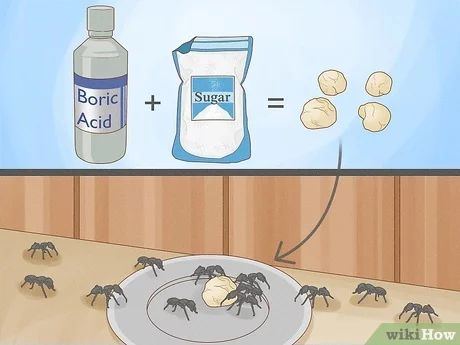
A great DIY solution for smaller infestations is to use borax ant bait. Carpenter ants are attracted to sweet substances, so you can make a homemade bait by mixing borax with sugar or honey. The ants will carry the bait back to the nest, where it will be shared with the rest of the colony, eventually killing them off.
- Borax is a natural, non-toxic mineral that interferes with the ants’ digestive system, leading to death. It’s an effective way to get rid of ants without using harmful chemicals.
- Be patient, though — it may take a few weeks for the bait to eliminate the entire colony.
3. Apply Desiccating Dust
Another option for getting rid of carpenter ants is using desiccating dust like diatomaceous earth (D.E.) or silica gel. These powders work by absorbing the ants’ waxy outer coating, which causes them to dehydrate and die.
- You can blow D.E. into cracks and crevices using a bulb duster, making sure to target areas where the ants are most active. This will help the dust infiltrate their nests and kill the ants.
4. Spray with Pyrethrin
For those looking for a more natural solution, pyrethrin is a great option. It’s derived from chrysanthemum flowers and is a potent insecticide that affects the nervous system of ants, paralyzing them and causing death.
- Pyrethrin is relatively safe around humans and pets but should still be used with caution.
- You can apply pyrethrin directly to the nest by drilling small holes into the affected wood and spraying it inside.
5. Use a Vinegar Solution
After you’ve taken steps to eliminate the ants, it’s important to clean up any scent trails they’ve left behind. Ants communicate using pheromones, and they often follow these trails to return to a food source. A vinegar solution (2 parts water to 1 part white vinegar) can help eliminate these trails, making it harder for new ants to find their way back into your home.
Natural and Eco-Friendly Solutions
For those who prefer more eco-friendly options, there are plenty of natural solutions to get rid of carpenter ants without resorting to harsh chemicals:
- Boric acid (a refined form of borax) can be injected directly into the colony.
- Diatomaceous earth and pyrethrin are both natural and effective, as long as you use them properly.
- Vinegar can help erase scent trails and prevent reinfestation.
By focusing on these non-toxic methods, you can rid your home of carpenter ants without risking exposure to harmful chemicals.
Preventing Future Carpenter Ant Infestations
Prevention is key to keeping carpenter ants out of your home in the long term. Here are some effective prevention tips:
- Fix Decaying Wood: Regularly inspect your home for damaged or rotted wood. If you find any, replace it immediately to prevent ants from nesting there.
- Seal Entry Points: Use silicone caulk to seal any gaps or cracks around doors, windows, and foundations. This will help prevent ants from entering your home in the first place.
- Clear Woodpiles: Remove dead trees, stumps, and old wood piles around your property. Keep firewood stored outdoors and shake it off before bringing it indoors.
- Control Moisture: Fix any leaks, improve drainage, and reduce humidity around your home. Carpenter ants are attracted to moist conditions, so keeping things dry is key.
Read more: Strategies for Enhancing Your Kitchen’s Air Quality
When to Call a Professional
If you’ve tried everything and still can’t seem to get rid of the carpenter ants, it might be time to call in a professional pest control service. A professional will have the tools and expertise needed to locate and eliminate the colony, even if it’s deep within your walls.
FAQ
What Repels Carpenter Ants?
While there are several natural remedies that can repel carpenter ants (like cinnamon, peppermint oil, and vinegar), the most effective method is eliminating their food and nesting sources.
Do Carpenter Ants Bite?
While carpenter ants have strong jaws for tunneling, they rarely bite humans unless provoked. Their bites can be painful, but they do not feed on blood.
What Is the Best Natural Way to Get Rid of Carpenter Ants?
The best way to get rid of carpenter ants naturally is to use borax bait, diatomaceous earth, or pyrethrin, combined with fixing any moisture issues and sealing entry points.