Table of Contents
This aesthetic issue is often linked to several variables, including lifestyle decisions, sleep deprivation, and heredity.
Comprehending and resolving panda eyes trauma damage is essential for general health as well as aesthetic purposes. Dark circles that don’t go away might be a sign of underlying medical conditions or psychological anguish.
Data about the frequency of panda eyes provide light on the extent of this problem, illustrating its broad incidence and its effects on various groups.
Comprehending Panda Eyes Trauma
Understanding the intricacies involved in panda eye development is facilitated by investigating the anatomy of the eye region. To prevent and cure conditions effectively, it is crucial to comprehend the skin, blood vessels, and underlying components.
Establishing a Cosy Sleep Environment
Talking about how the environment in which you sleep affects both the development of dark circles and the quality of your sleep.
Highlighting how crucial genetic counseling is for identifying family tendencies and estimating the risk of acquiring panda eyes.Investigating possible remedial and preventative measures for those who are genetically predisposed to periorbital dark circles.
Modifications to Lifestyle
Offering dietary recommendations, such as foods high in antioxidants and skin-beneficial nutrients, that support skin health and lower the likelihood of panda eyes.
Studying stress-reduction techniques is a crucial step in avoiding panda eyes and realizing the connection between skin health and mental wellness.
Through a thorough examination of all the facets of panda eye trauma, this book seeks to provide insightful analysis and useful answers to anyone looking for a complete way to handle this widespread issue.
Healthcare Procedures

Creams and Serums: Retinoids, hyaluronic acid, and vitamin C are examples of active compounds found in topical creams and serums that may be used to treat a variety of skin conditions, including under-eye problems.
Prescription Drugs: To address certain pigmentation problems and enhance the look of the under-eye region, dermatologists may recommend drugs like hydroquinone or retinoid lotions.
Laser Therapy: Using lasers to correct pigmentation, tighten the skin around the eyes, and increase collagen formation may be beneficial.
Dermal Fillers: Hollow regions may be filled in and the appearance of under-eye bags or dark circles can be minimized using injectable dermal fillers, such as those based on hyaluronic acid.
At-Home Treatments
Cucumber Slices: Applying cold cucumber slices to the eyes might have a calming and momentary puffiness-reducing impact.
Tea Bags: Using cold tea bags, especially caffeine-containing ones, may help reduce dark circles and narrow blood vessels.
For sensitive skin beneath the eyes, homemade masks with natural components like aloe vera, honey, or turmeric may provide antioxidants and moisture.
Typical Myths
Lack of Sleep: Dark circles might result from getting too little sleep, but there are other important aspects to consider, including aging, heredity, or allergies.
Just an Aesthetic Concern: Dark circles may be a sign of several underlying medical conditions, and treating them may include making lifestyle adjustments, using skincare products, or seeking medical attention.
Be wary of items or treatments that offer themselves as magical remedies for under-eye problems. A mix of skincare, lifestyle modifications, and medical procedures is often used to get effective results.
Universal Size: Since each person’s skin type is different, what works for one person may not work for another. It’s critical to customize therapies according to each person’s requirements and seek the counsel of skincare experts for specific recommendations.
Professional Perspectives
Dermatologists often recommend a comprehensive strategy that combines topical treatments, medication, and lifestyle modifications to address underlying issues. Sun protection, adequate hydration, and customized skincare regimens are stressed for preserving general skin health.
Experts in sleep medicine stress that getting enough sleep is crucial to minimizing under-eye problems. Sleep that is both regular and adequate promotes healthy skin generally and reduces puffiness and dark circles. It might be advantageous to establish a regular sleep schedule and take care of sleep issues.
Cultural Viewpoints
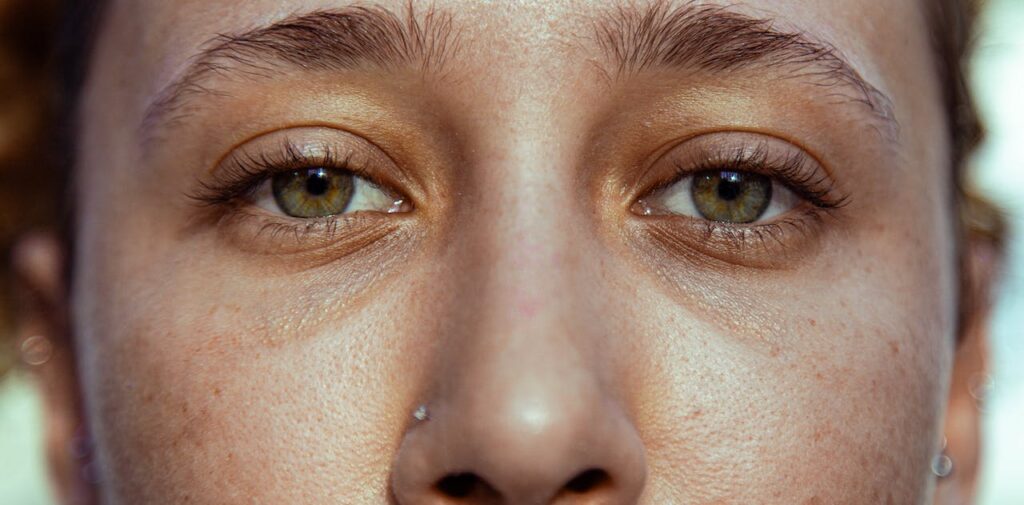
Varied cultures may have varied perspectives on dark rings around the eyes. While some cultures see them as a sign of age or wisdom, others equate them with weariness or stress. Gaining an understanding of cultural viewpoints might help one better understand how different people see underlying concerns.
The way society views under-eye issues may have an impact on one’s body image and sense of self. Stereotypes about dark circles might lead to exaggerated notions of attractiveness. It is essential to promote acceptance and a variety of beauty standards to cultivate good attitudes.
Style and Cosmetic Advice
Before using concealer, makeup professionals advise using color correctors to balance out dark tones. Achieving a natural appearance may be facilitated by using moisturizing, lightweight concealers, and setting with translucent powder. It may also have a brightening impact if the inner corners of the eyes are highlighted.
To shield the eyes from the sun, fashion gurus advise wearing chic accessories like hats or sunglasses. Selecting UV-blocking eyewear helps create a stylish and useful solution in addition to protecting the eyes.
The Prognosis for Treatment of Panda Eyes
Technological developments in skincare, such as laser treatments, non-invasive procedures, and customized skincare formulas, may provide more accurate and efficient remedies for under-eye issues.
Understanding the basic processes behind dark circles and creating novel therapies are the main goals of ongoing research. More sophisticated and specialized treatments are likely to be available in the future, from gene-based therapeutics to customized skincare routines.
Conclusion
So, treating under-eye issues, sometimes known as “panda eyes,” requires a multimodal strategy that includes professional advice, home treatments, medical procedures, and awareness of cultural viewpoints. For best outcomes, dermatologists advise a comprehensive approach that combines topical medications, aesthetic procedures, and lifestyle changes.
Take a deep dive into the world of blogs that include content comparable to this one. Each article is a gateway to a multitude of accurate and pertinent information.