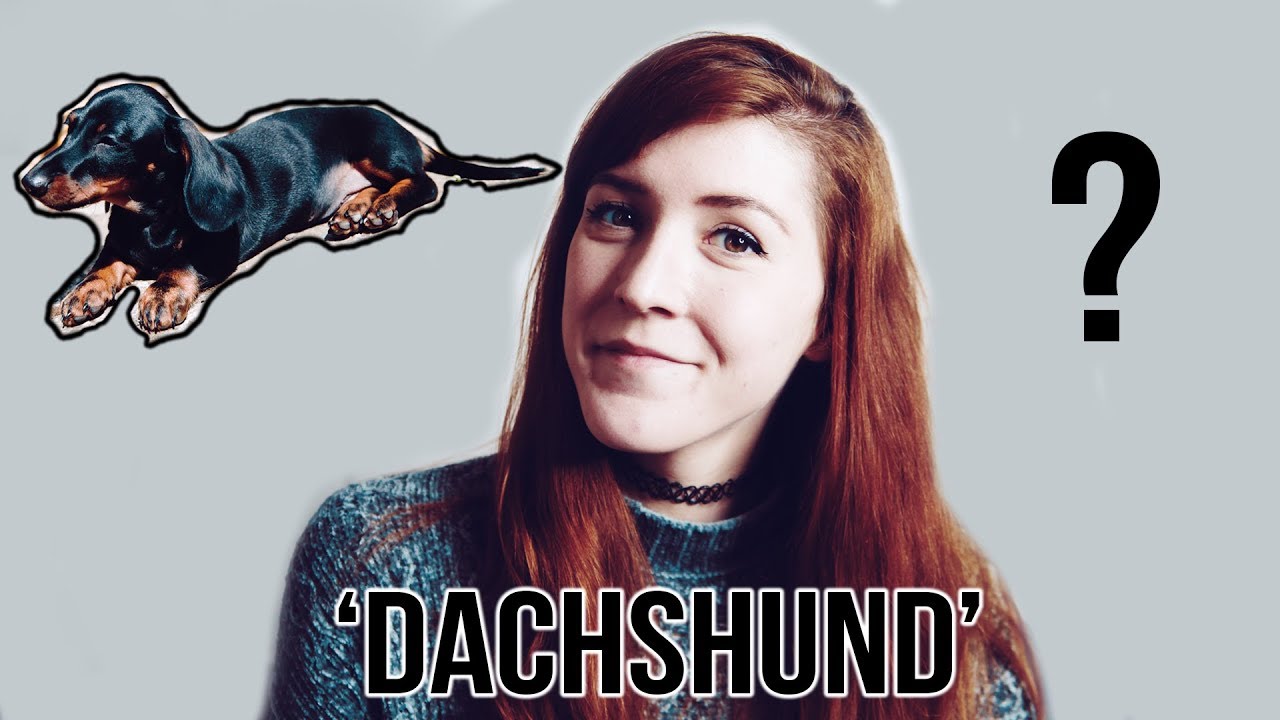
If you have ever stumbled over the pronunciation of dachshund, you are not alone. This word is famous for tripping people up, and it is not hard to see why. Its spelling is deceiving, and unless you are familiar with its German origin, you might be tempted to pronounce it as dash-hund or dack-stand. In this guide, we will break down exactly how to pronounce dachshund, share helpful tips, and give you the confidence to say it correctly every time.
The Correct Pronunciation of Dachshund
First thing, how do you pronounce dachshund? The right pronunciation is DAKS-hund and DAKS-hoond. The first syllable “dachs” should sound like “docks” and “daks”, rhyming with “box.” The second syllable “hund” sounds more like “hoond” or “huhnd,” not “hound.” It reflects its German origins, where hund means dog.
When you put it all together, it should sound like “docks-hoond” or daks-hund,” Either change is generally accepted, but both are quite different from the common mispronunciations.
Why Is It Pronounced That Way?
Understanding why dachshund is pronounced this way can help you remember it better. The word comes from German, where it means badger dog. In German, dachs pronounce docks refer to a badger, and hund pronounce hound means dog. These dogs were originally bred to hunt badgers, and the pronunciation stayed true to its German roots.
Common Pronunciation Mistakes
It is easy to see why dachshund is commonly mispronounced. Some common mistakes we can discuss with you.
Dash-hund: This mistake comes from reading the word phonetically in English. While understandable, it is incorrect.
Dack-shund: Another common error that results from overcomplicating the pronunciation.
Dash-ound: A blend of phonetic guessing that many people fall into.
While it is okay to make mistakes while learning, practicing the correct pronunciation will help you say it naturally over time.
Tips for Mastering the Pronunciation
Want to nail the pronunciation of dachshund every time? Try these tips.
- Focus on pronunciation of each syllable separately at first, dachs and hund.
- Repetition is key to mastering any tricky word. Say it out loud many times until it feels natural.
- Hearing the word pronounced by native German speakers or fluent English speakers can help solidify the correct sound.
- Create a mental image of a “dock” and a “dog” to help remember “docks-hoond.”
- Hearing your own pronunciation can help you identify areas for improvement.
Using “Dachshund” in Sentences
Practicing full sentences can further support the correct pronunciation. Try these examples:
- “I just adopted a playful dachshund from the shelter.”
- “The dachshund’s long body and short legs make it a unique breed.”
- “Have you ever seen a dachshund chasing a ball? It’s charming!”
A Quick Dive into “Dachshund” History
They were originally bred in Germany over 300 years ago to help hunters track and flush out badgers from their dens. Their long bodies and strong paws made them perfect for digging and navigating underground subways. The breed became popular in other countries over time, and while their hunting days are mostly behind them, their name and pronunciation have stayed true to their German roots.
Regional Pronunciation Variations
Interestingly, different regions may pronounce “dachshund” with slight variations. Some English speakers might use “docks-ind” or “dax-ind,” which are not entirely incorrect but are less common. However, the most recognized pronunciations remain “docks-hoond” and “daks-hund.” Knowing these changes can help you feel more comfortable in conversations where different pronunciations might come up.
Other Commonly Mispronounced Dog Breeds
“Dachshund” is not the only dog breed name that gives people trouble! Here are a few other tricky breed names and their correct pronunciations:
- Bichon Frise: Pronounced “bee-SHON free-ZAY.”
- Shih Tzu: Pronounced “SHEET-sue.”
- Samoyed: Pronounced “SAM-uh-yed” or “SAM-oy-ed.”
- Weimaraner: Pronounced “VY-muh-rah-ner.”
Taking the time to learn the correct pronunciations of these breeds can help you sound more confident when talking about dogs.
How Learn Laugh Speak Can Help
If you are looking for a way to improve your English pronunciation beyond just “dachshund,” consider using resources like Learn Laugh Speak. They offer audio lessons and instant feedback, which can help you master even the trickiest words. Whether you are practicing dog breed names or expanding your vocabulary in general, consistent practice and feedback are essential for improvement.
Read more: A Synopsis of VNSGU.NET
Final Tips for Perfecting Your Pronunciation
- Be Patient: Learning the correct pronunciation of tricky words like “dachshund” takes time and practice. Don’t get discouraged if it does not come naturally right away.
- Practice in Conversation: Use the word in everyday conversations whenever you get the chance. The more you say it, the more comfortable you’ll become.
- Embrace Mistakes: Everyone makes mistakes while learning, so do not be too hard on yourself. The key is to keep practicing and learning from those mistakes.
With these tips and a little practice, you will be saying dachshund like a pro in no time. So next time someone asks you about this charming breed, you will be ready to pronounce it perfectly and maybe even impress them with a little history lesson too.