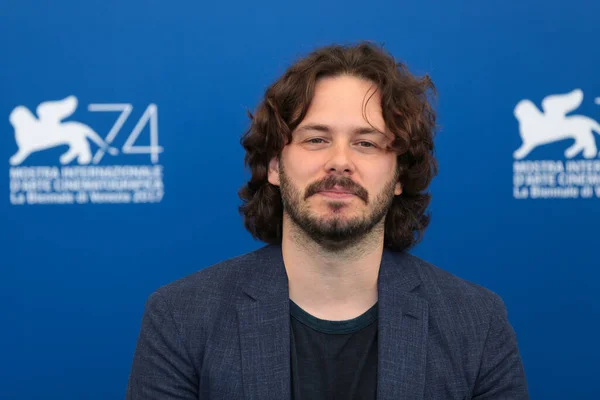
When it comes to modern cinema, few directors are as recognizable and innovative as Edgar Wright. Known for his fast-paced editing, genre-bending stories, and seamless integration of music and visuals, Wright has built a reputation as one of the most creative filmmakers of our time. Whether you’re a fan of zombie comedies, action-packed parodies, or psychological thrillers, there’s something in Wright’s filmography for everyone.
Edgar Wright’s Signature Editing Style
What makes Edgar Wright’s films so distinct? The answer lies in his editing techniques. Wright’s hallmark includes dramatic quick cuts and creative transitions, which he uses to convey information, build tension, or create humor. For instance, in Shaun of the Dead, he uses rapid cuts to turn mundane actions—like brushing teeth or pouring a drink—into comedic moments. Similarly, in Hot Fuzz, his quick cuts parody the high-intensity editing style seen in Hollywood action films.
But Wright’s brilliance doesn’t stop at post-production. He meticulously plans his edits during pre-production, often storyboarding and animating sequences to ensure that each shot is perfectly timed. This level of preparation stems from his early filmmaking days, where limited resources in projects like Dead Right forced him to be resourceful and innovative. These early experiences shaped the distinct style we now associate with his films.
Music as a Driving Force in Wright’s Films
One of Wright’s greatest strengths is his ability to synchronize music and visuals to create immersive storytelling. This technique is perhaps most evident in Baby Driver, a film where every gunshot, car chase, and character movement is perfectly timed to the protagonist’s playlist. Wright and editor Paul Machliss even edited scenes on set, using a mobile editing cart to ensure the visuals matched the pre-selected songs. The result? A seamless blend of music and action that pulls viewers into the world of the film.
Read more: Who is Michael Tell? Revealing the Mystery
Wright’s love for music isn’t new. Influenced by classic musicals and artists like Busby Berkeley, he’s always been drawn to the rhythm of film. In Baby Driver, this rhythm becomes the backbone of the story, transforming an action film into something entirely unique.
Genre Versatility: Mastering Multiple Genres
While some directors stick to a single genre, Wright thrives on variety. His ability to adapt his signature style to different genres is a testament to his versatility:
- Satirical Comedy: In Hot Fuzz, Wright parodies the action genre, using exaggerated editing and over-the-top sequences to highlight the absurdity of traditional action films.
- Rom-Com and Horror: Shaun of the Dead seamlessly blends romantic comedy and zombie horror, proving Wright’s knack for combining seemingly opposite genres.
- Psychological Horror: Last Night in Soho showcases his darker side, using eerie visuals and disorienting edits to enhance the film’s unsettling atmosphere.
No matter the genre, Wright’s editing choices amplify the story’s emotional impact, making his films both engaging and memorable.
Collaborative Creativity: Wright’s Teamwork Approach
Behind every great director is a talented team, and Wright’s success owes much to his collaborations. His partnership with editor Paul Machliss, in particular, has been instrumental. Machliss’s willingness to edit scenes in real-time on projects like Baby Driver allowed Wright to push creative boundaries. Beyond editors, Wright works closely with his cast and crew, ensuring everyone shares his vision. This collaborative approach elevates his films, turning them into cohesive works of art.
Wright’s Use of Film as an Artistic Medium
For Edgar Wright, film isn’t just a medium for storytelling—it’s an art form. Every shot, cut, and musical cue in his movies serves a purpose. Unlike many modern comedies that rely on dialogue alone for humor, Wright uses the visual language of film to create comedic moments. For example, a perfectly timed camera pan or an exaggerated jump cut can be just as funny as a witty one-liner. This commitment to visual storytelling sets Wright apart from his peers.
Influence on Modern Filmmaking
Edgar Wright’s work has inspired countless filmmakers to rethink the role of editing in storytelling. His innovative techniques have shown that editing isn’t just about piecing together a narrative—it’s about enhancing emotion, humor, and rhythm. As more directors adopt Wright’s meticulous approach to pre-production and editing, his influence on the industry will undoubtedly grow.
Conclusion
Edgar Wright is a master of his craft, using editing, music, and visual storytelling to push the boundaries of cinema. Whether you’re laughing at the absurdity of Hot Fuzz, marveling at the precision of Baby Driver, or shivering through the chills of Last Night in Soho, one thing is clear: Wright’s films aren’t just stories—they’re experiences. And in a world where many movies play it safe, Wright’s willingness to experiment makes him a true visionary.
So the next time you watch an Edgar Wright film, pay attention to the cuts, transitions, and soundtrack. You’ll discover a new layer of brilliance that makes his work some of the most exciting in modern cinema.