Table of Contents
The unceasing advancement of cyber threats requires a flexible and vigorous security methodology. In a time where digital transactions and communication have become the standard, the exposure of confidential data is more evident than at any other point in history, especially since intellectual property theft is on the rise.
The inadequacy of conventional security measures, predominantly dependent on passwords, has been demonstrated in the face of modern cyber adversaries’ resourcefulness. While grappling with the challenges of safeguarding digital assets, this blog explores the transformative role of Two-Factor Authentication (2FA) in bolstering security measures and fortifying defenses.
What is Two-Factor Verification?
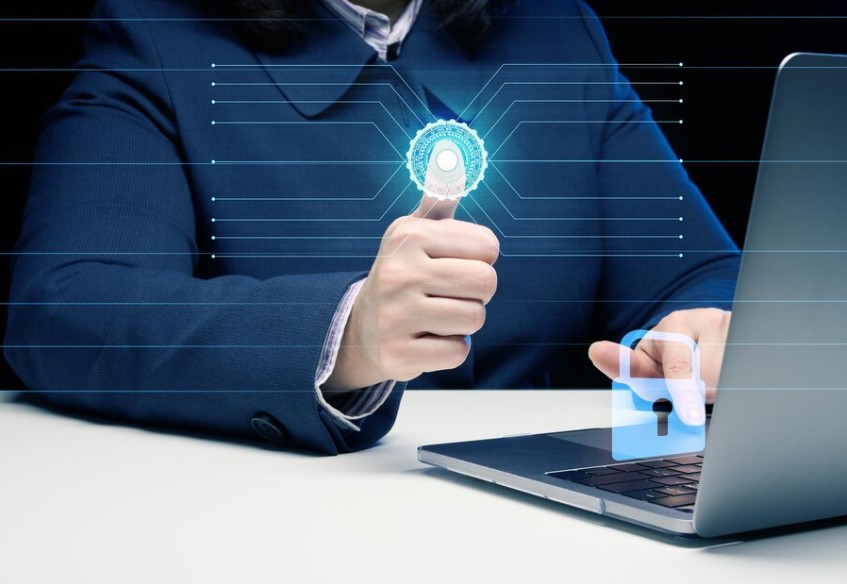
By its very nature, Two-Factor Authentication (2FA) goes beyond the conventional username and password pair to establish an additional level of security. This dual-layered defense mechanism mandates users to authenticate themselves using two distinct forms of identification, typically a password and a tangible item like a smartphone or security token. Through this multi-faceted approach, the security standards are substantially heightened, effectively deterring unauthorized access and fortifying the overall security posture.
The Power of Two-Factor Authentication
By incorporating two-factor verification, antivirus protection is fortified with an additional layer of security, effectively safeguarding user accounts, such as online banking and online casinos, against unauthorized access. This added security measure is a deterrent for hackers and cybercriminals, making it exceedingly challenging for them to obtain sensitive information or implant malware on a device, even if they steal a user’s password.
MFA for Enhanced Business Security
With the prevalence of digital interactions and online transactions in our modern age, the significance of implementing robust security measures has become increasingly imperative. Once considered the main defender of our digital identities, passwords are now more susceptible to sophisticated cyber threats.
The growing number of data breaches, phishing attacks, and ever-evolving hacking techniques emphasizes the inadequacy of depending solely on passwords. To tackle this problem, multi-factor authentication (MFA) has emerged as a crucial requirement, as it enhances security by demanding users to authenticate their identity through multiple verification methods.
Combining something known, such as a password, with something possessed, like a mobile device or the inclusion of biometric elements, dramatically diminishes the risk of unauthorized access. As the complexity and scope of cyber threats continue to mount, Multi-Factor Authentication (MFA) emerges as a powerful safeguard, shielding valuable information, personal data, and critical business assets from unauthorized individuals.
Risk-Based Authentication for Enhancing Trust and Confidence
The strategies employed by cybercriminals are constantly evolving alongside the advancements in the digital landscape. Organizations are turning to Risk-Based Authentication (RBA) to bolster their authentication security to address this ever-shifting threat landscape.
RBA represents a dynamic approach that evaluates a range of risk factors in real-time to determine the appropriate level of authentication needed for a particular user or transaction. By analyzing contextual data such as location, user behavior, and the sensitivity of the requested action, RBA adapts the authentication process to correspond with the perceived level of risk.
By minimizing unnecessary authentication steps for low-risk activities and strengthening security measures for high-risk scenarios, this adaptive model enhances security and ensures a seamless user experience. In essence, RBA introduces an intelligent layer to the authentication process, enabling organizations to dynamically tailor their security measures based on the ever-changing landscape of cyber threats.
Conclusion
Amid the convergence of technological progress and escalating cyber threats, the significance of Two-Factor Authentication assumes a pivotal role in ensuring the sanctity and security of our digital future. However, given the expanding threat landscape, it is imperative to acknowledge the indispensability of more robust authentication mechanisms like MFA and RBA.
By grasping its significance, embracing its implementation, and adjusting to emerging technologies, individuals and organizations can effectively protect themselves against cyber threats.