Table of Contents
For flawless online surfing, DNS resolution must be done with efficiency. Your browser uses DNS to convert human-readable domain names into IP addresses when you input a web address, allowing it to communicate with the relevant web servers. Monitoring and resolving DNS-related problems is a critical function of chrome //net-internals/#dns, which helps to improve online performance.
The Domain Name System, or DNS, acts as the address book for the internet. It converts easily navigable domain names, like www.example.com, into IP addresses, such as 192.168.0.1, which are used by computers to identify one another on a network. Through the abstraction of intricate numerical addresses into instantly recognizable names, this hierarchical structure makes it easier for humans and computers to communicate.
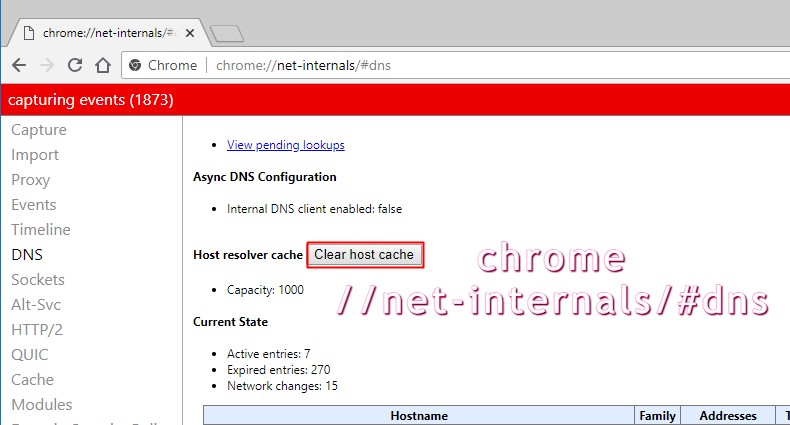
chrome //net-internals/#dns
DNS provides a mapping between domain names and IP addresses, acting as an intermediate that enables users to access websites. This procedure, which allows browsers to find and connect to web servers containing the requested material, is essential to the operation of the Internet.
The speed at which web pages load is directly impacted by DNS resolution efficiency. Website access is guaranteed to happen as quickly and precisely as possible thanks to the translation of domain names to IP addresses. In today’s fast-paced digital world, when consumers demand quick replies from their browsers, this efficiency is extremely crucial.
Net-internals in Chrome
A set of internal Chrome pages called Chrome //net-internals is intended for troubleshooting and analysis of different network-related issues. Among them, //net-internals/#dns specializes in DNS resolution and offers comprehensive details on queries, cache, and other DNS-related operations.
It’s simple to access Chrome //net-internals. Go to the “#dns” section by simply typing “chrome://net-internals” into the address bar. This provides a window into the DNS operations of the browser and a plethora of information for debugging and study.
The main goal of //net-internals/#dns is to provide developers and users with knowledge on how Chrome resolves DNS. It makes it possible to see host resolver details, DNS cache, and running DNS requests. This utility is essential for locating and fixing DNS-related problems, guaranteeing a more dependable and effective surfing experience.
We will explore the features of //net-internals/#dns in more detail in the next parts of this book, along with step-by-step instructions on how to fix typical DNS difficulties and understand the data that is shown. Watch this space for an in-depth analysis of Chrome’s DNS internals and a mastery of the resources made accessible by //net-internals.
Examining the Subsection of #dns
Use these methods to go to Chrome //net-internals’ “#dns” subsection:
Type “chrome://net-internals/#dns” into the address bar and hit Enter.
This will lead you straight to the DNS area, where you may investigate in-depth details on the DNS resolution operations of Chrome.
You’ll find a plethora of information on DNS resolution when you go to the “#dns” area. This contains details on the settings of the host resolver, cached entries, and ongoing DNS requests. Comprehending this information is crucial for identifying and fixing DNS-related problems.
Real-time monitoring capabilities are available in the “#dns” area of Chrome //net-internals. Watch the dynamic data, including the status of any ongoing DNS requests. This enables you to see how the browser communicates with DNS servers and spot any hiccups or mistakes in the resolution process.
Common Problems Chrome Fixes #dns at //net-internals

Slow DNS resolution may be a contributing cause of your slow web page loading times. To determine the reason for DNS query latency, utilize//net-internals/#dns. This might entail misconfigurations or problems with DNS server responsiveness.
To troubleshoot DNS issues, go to the “#dns” section. Analyse DNS query error reports to identify and quickly fix problems. Common issues include erroneous DNS setups, timeouts, and unavailable servers.
It is essential to comprehend how DNS resolution affects your online surfing. Website loading times may be prolonged by DNS resolving issues or delays. Using //net-internals/#dns, you may learn more about how DNS problems impact your surfing experience as a whole.
Increasing DNS Performance
Configure DNS settings in Chrome to maximize DNS performance. Examine the DNS setup settings in the browser to make sure it is optimized for performance. To improve resolution speed, think about using a trustworthy DNS server, such as OpenDNS or Google’s Public DNS.
Use recommended practices to resolve DNS queries more quickly. This entails keeping your DNS server settings current, routinely cleaning the DNS cache, and reducing the use of third-party DNS filters. These procedures help to make browsing more responsive.
For a more thorough DNS performance research, think about using other tools in addition to Chrome //net-internals. DNS resolution times may be further analyzed with the use of tools such as “dig” or online DNS testing services, which can help you locate and fix performance bottlenecks.
We’ll go into real-world examples and detailed instructions in the next sections on how to use //net-internals/#dns features to diagnose problems and improve DNS speed in Chrome. Watch this space for an in-depth look at the methods and resources that will enable you to become an expert in Chrome’s DNS internals.
Prospects for DNS Management in the Future
In response to the needs of a constantly evolving browsing scene, the domain of DNS administration is always evolving. The following trends will influence DNS in web surfing going forward:
Security and Privacy: Improving DNS’s security and privacy is becoming more and more important as cyber threats change. DNS administration in the future will probably include stronger encryption techniques and safeguards to shield users from malevolent actions.
Conclusion
So, DNS and its administration tools are dynamic, adapting to users’ changing demands and the rapidly changing web technology ecosystem.
With the information gained from this book, users and developers may better traverse the complexities of DNS, maximize their online surfing experiences, and anticipate emerging trends in the always-changing internet landscape. The methods and techniques we use to guarantee a smooth and safe online experience will advance along with technology.
Be careful not to overlook the wealth of knowledge included in other tech blog posts that are comparable to this one. Each article contains accurate, up-to-date information.